The CMT Difference

Below is an outline of various mechanical testing performed by CMT (or 3rd parties) for performance verification of the CMT composite product lines:
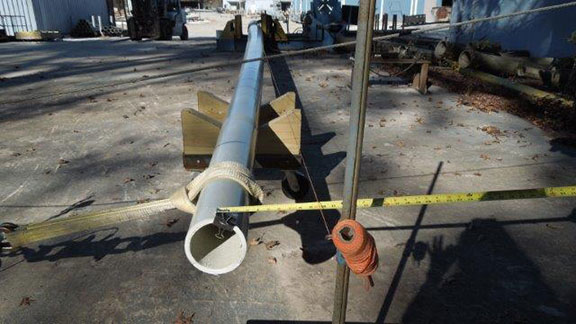
Static Bending (Horizontal Loading) Testing: CMT has performed static bending tests following the basic procedures of ASTM D1036 for T&D poles and ANSI C136.2 for lighting standards.
Bolt Torque Test: CMT has performed Bolt Torque Tests for determination of the maximum permissible bolting torque allowable during installation of hardware items on CMT composite poles.
Bolt Pull Through Test: CMT has performed Bolt Pull Through Tests. Utilizing a standard 5/8” bolt and a standard 2-1/8 x 2-1/8 x 1/8 square steel washer, pull through values were measured.
Flame Resistance: Poles are tested in accordance to ASTM D635. Specimens must cease to burn before the gauge mark of 100 mm (3.9 in.) is reached.
Accelerated UV Testing: The surface shall be tested for a minimum of 5,000 hours of accelerated testing in accordance with ASTM G154 (UV-A lamp 340 NM wavelength 130 degrees Farenheit, cycle lamp 4 hours on, 4 hours off).
Direct Load Shear Test (guy plate test, transformer load test): CMT has performed direct load shear tests for determination of the allowable shear load due to guy plates or transformer mounting brackets.
Field Drillability Test: All CMT poles have been demonstrated to be drillable for field modification utilizing a standard twist bit carbide tipped with a portable high speed drill.
Step Bolt Strength Test: CMT has performed step bolt strength tests on the standard attachment clip and step bolts provided by CMT.